

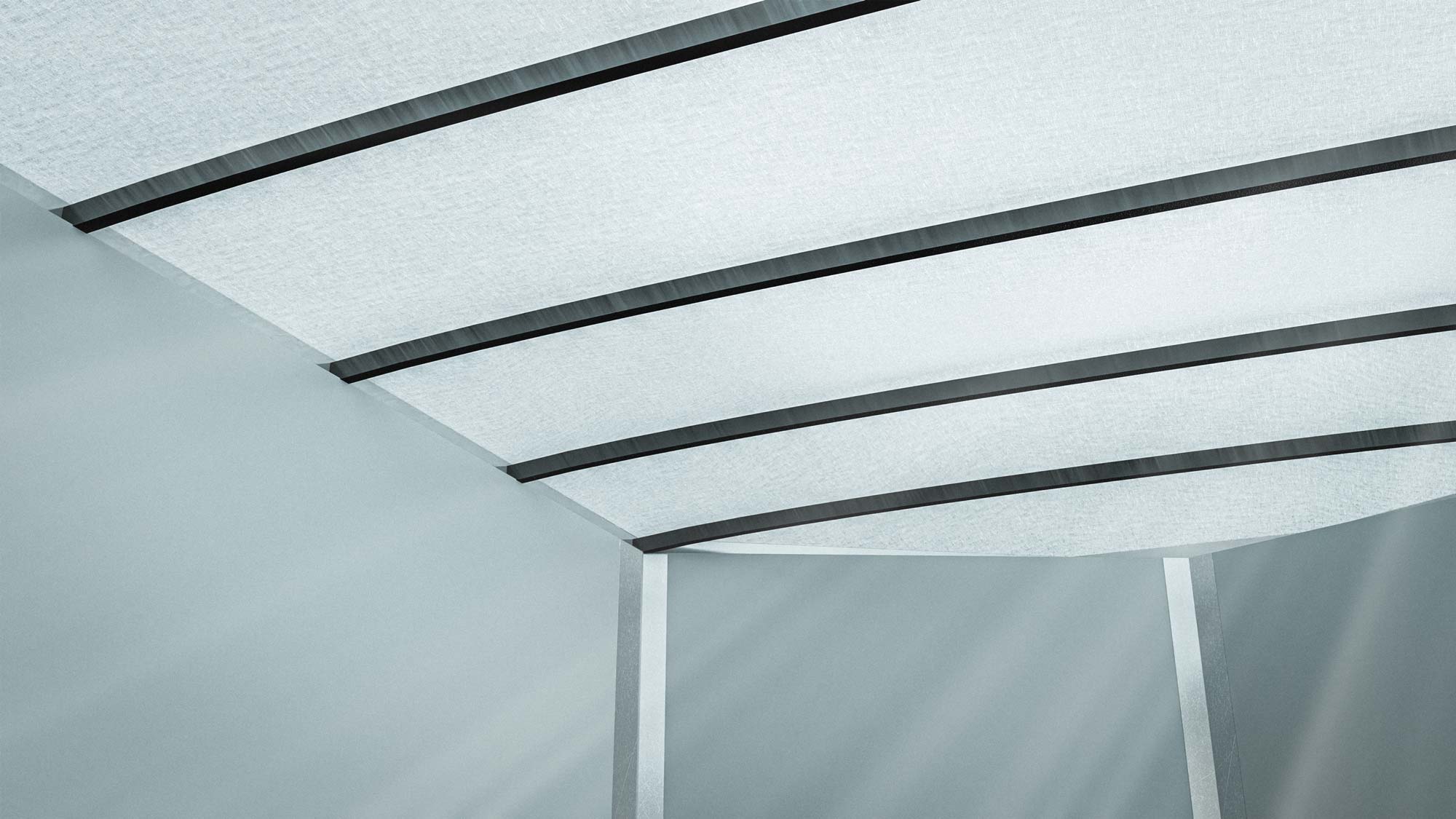
In the cargo trailer world, few things are as deeply rooted in tradition as the roof. For decades, steel and aluminum have been the materials of choice; strong, familiar, and reliable. They've earned their place, no doubt. But as trailer design evolves and new materials enter the conversation, so do the questions. And one material that's been stirring up both interest and skepticism is the translucent roof.
Mention translucent roofing in a manufacturing meeting or at a dealership, and you'll likely hear a few raised eyebrows. "Is it strong enough?" "Won't it crack in bad weather?" "Isn't that just for specialty trailers?" These are common concerns, some based on outdated experiences, others on assumptions that don't hold up to today's standards.
The truth is, translucent roofs have come a long way. And one of the clearest examples of that progress is BRAWN™ LIGHTLID™, developed by UFP Factory Built.
The Reputation Problem
Let's rewind a bit. Early translucent roofs were often seen as fragile or limited in use. They were lightweight, yes, but not always built for the rigors of daily hauling. That reputation stuck, even as materials improved. But LIGHTLID isn't built on old ideas, it's built on modern engineering.
What's Actually Under the Hood
Made from a multi-layered thermoplastic composite reinforced with continuous bi-directional glass fiber, BRAWN LIGHTLID is designed to be tough. It's been tested for impact, puncture resistance, and long-term durability. In fact, it's certified to perform over 35,000 hours of aging without degrading. That's not just competitive with metal, it's on par.
Myth: Translucent Means Weak
Still, the myth that translucent means weak persists. But LIGHTLID has proven itself in real-world conditions — hail, falling debris, tree limbs, and harsh cleaning chemicals. It resists rot, corrosion, and mildew, which are challenges even metal roofs can face over time.
Myth: Harder to Install and Maintain
Another misconception is that translucent roofs are harder to install or maintain. In reality, LIGHTLID installs using the same process as traditional roofing. It's lighter than steel, which can actually make installation safer and faster. And if damage does occur, repairs are simple. No special tools. No full panel replacements.
Myth: Only for Niche Applications
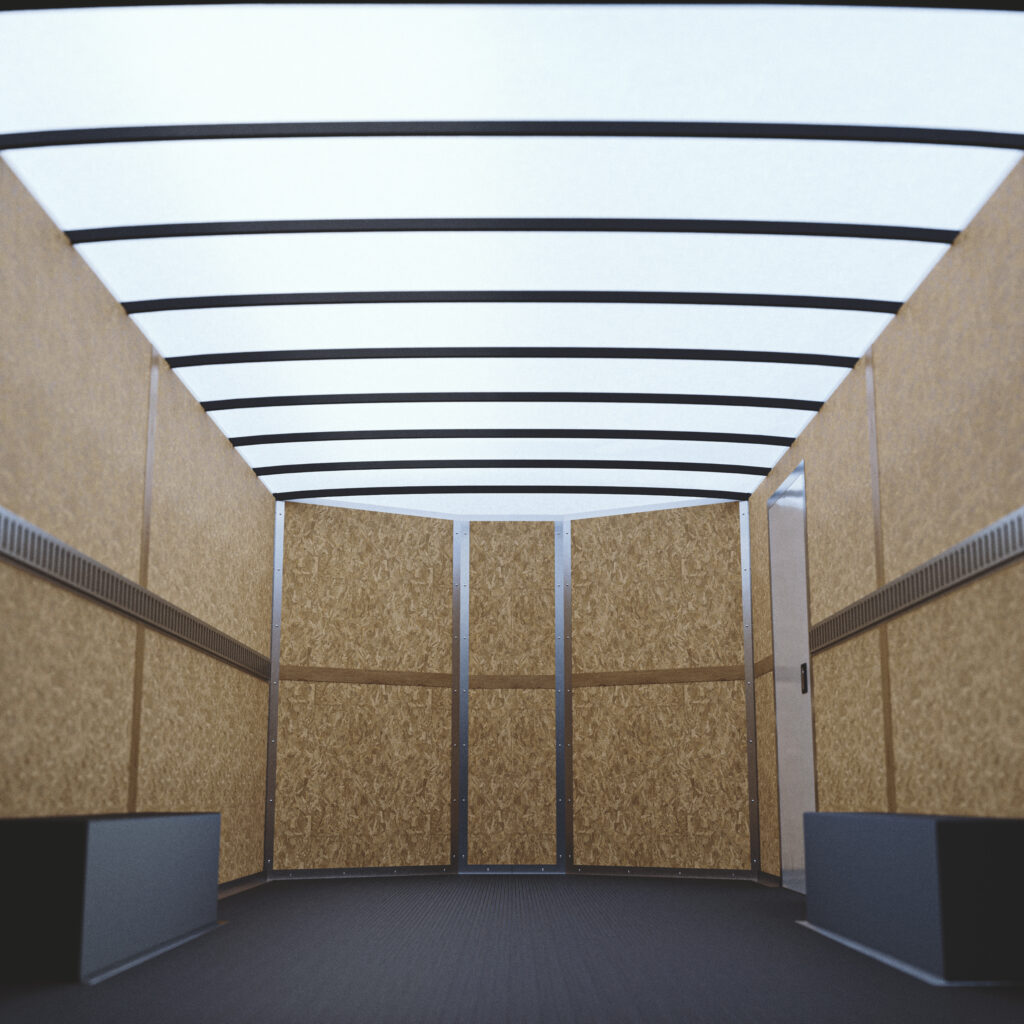
Then there's the idea that translucent roofs are only useful for niche applications. But LIGHTLID's biggest advantage, natural light, makes it valuable across a wide range of trailer types. With up to 400 LUX of brightness filtering through the roof, the interior of the trailer becomes a well-lit workspace. That's a huge benefit for contractors, DIYers, and anyone who spends time inside their trailer. It's not just about visibility, it's about safety, efficiency, and comfort.
Metal Still Has Its Place
Of course, traditional metal roofs still have their place. They're rigid, familiar, and may be preferred for ultra-heavy-duty builds or specific aesthetic requirements. But the notion that translucent roofs are a downgrade? That's simply outdated.
LIGHTLID doesn't ask you to choose between strength and innovation. It offers the same durability and reliability as metal, while adding new functionality that metal can't. It's not about replacing tradition. It's about improving it.
So the next time you hear someone dismiss translucent roofs as impractical or fragile, ask them when they last looked at the data. Because the truth is, the industry is changing. And BRAWN LIGHTLID by UFP Factory Built is helping lead the way.