

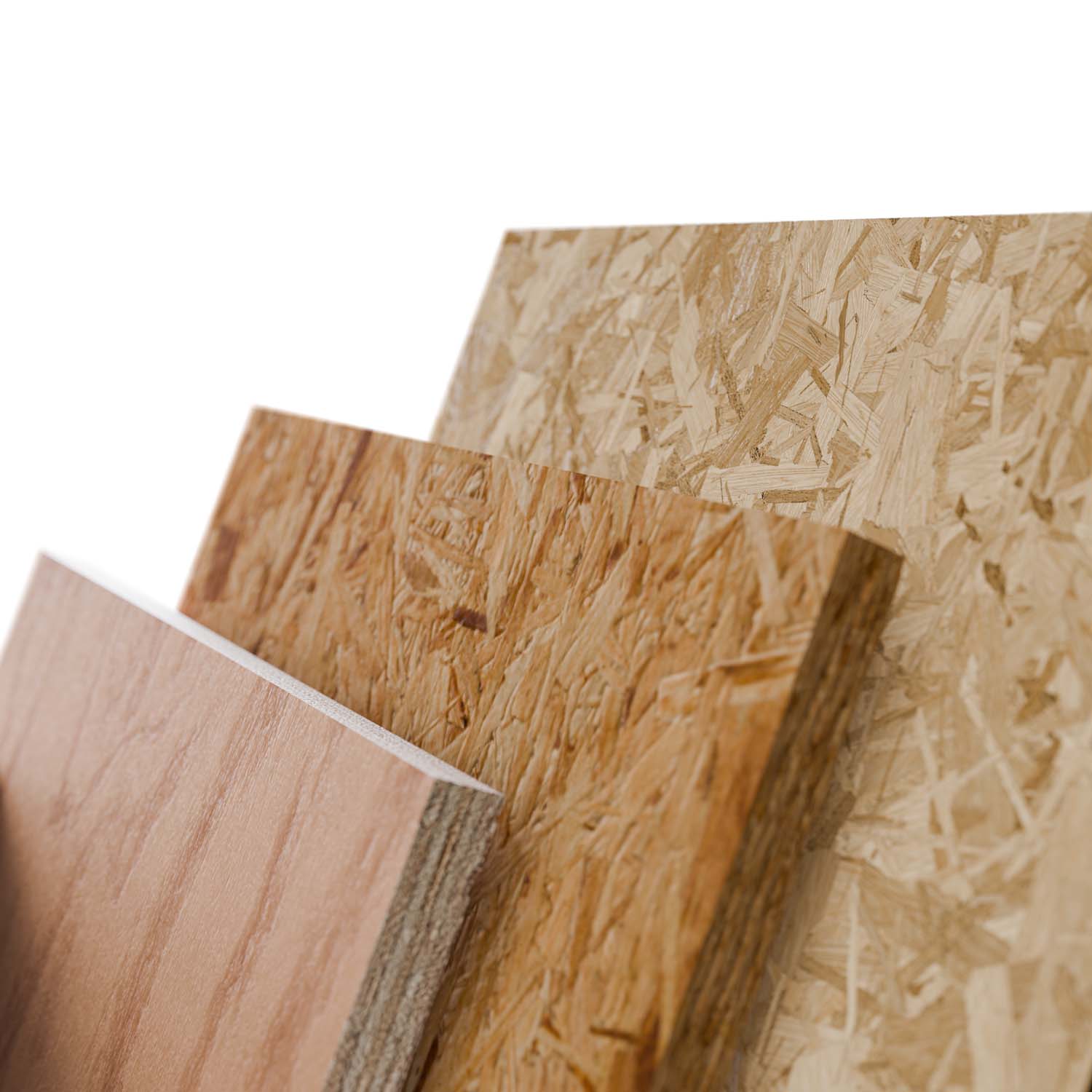
When it comes to building materials, not all panels are created equal. Whether you're constructing a home, outfitting a trailer, or designing a commercial space, the type of panel you choose can significantly impact the performance, durability, and cost of your project. Today, we're diving into three of the most commonly used structural panels: Plywood, OSB (Oriented Strand Board), and the newer, high-performance BRAWN™ Engineered Structural Panel (ESP) to help you understand their differences and when to use each.
Understanding the Materials
Let's start with the basics. Plywood is the most traditional of the three. It's made by layering thin sheets of wood veneer, each with the grain running in alternating directions, and bonding them together with adhesive. This cross-grain construction gives plywood its strength and stability. It has a natural wood appearance and is available in a wide range of grades, from rough construction-grade to fine furniture-grade.

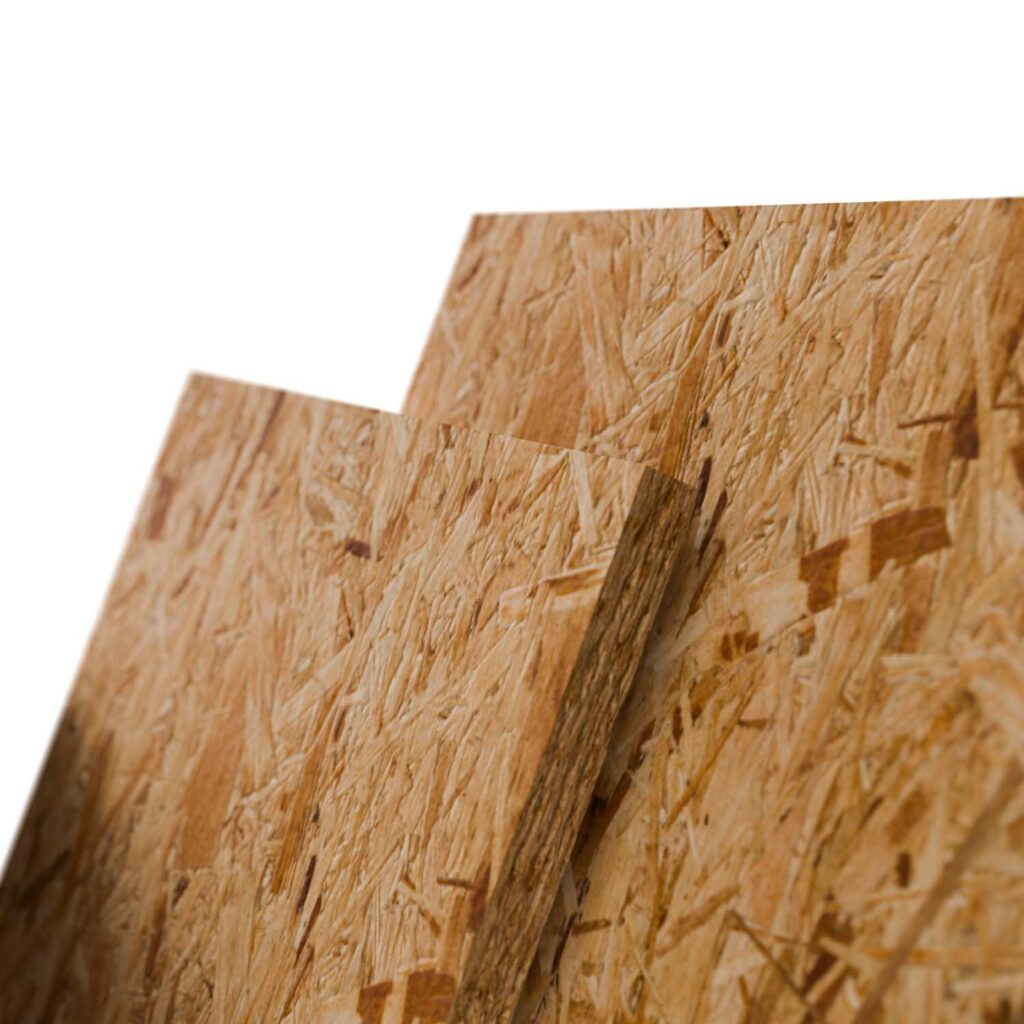
OSB, on the other hand, is a more modern, cost-effective alternative. It's made from strands of wood, oriented in layers, compressed and bonded with resin to provide strength and stability. The result is a dense, uniform panel used widely in residential and commercial construction. While it doesn't have the natural look of plywood, it performs well in many structural applications.
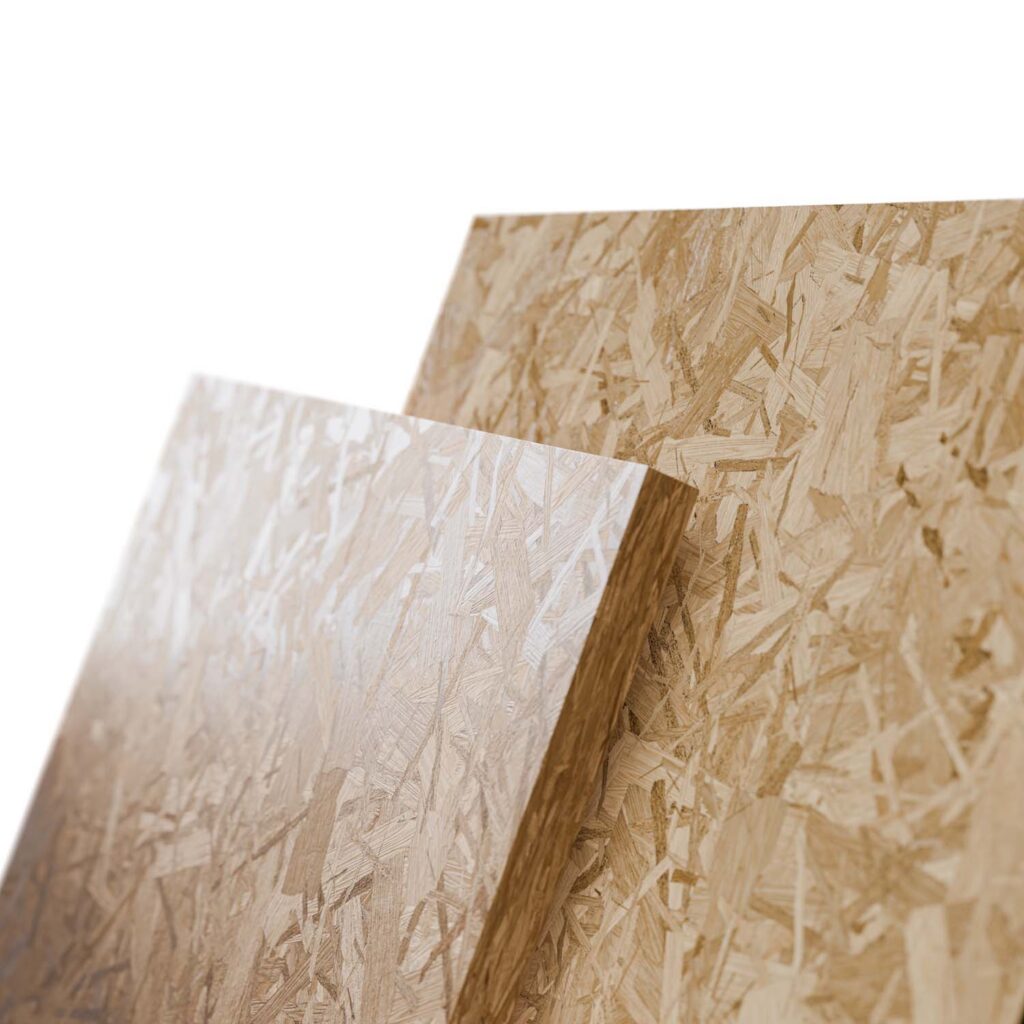
Then there's BRAWN ESP, or Engineered Structural Panel. This is the newest and most advanced of the three. BRAWN ESP panels are precision-engineered using wood strands and high-performance resins. They're designed for environments where strength, moisture resistance, and dimensional stability are critical — like enclosed trailer floors or industrial platforms. With a smooth, sanded surface and no voids or imperfections, BRAWN ESP panels offer a clean, professional finish and exceptional durability.
Pros, Cons, and Performance
Each panel type has its strengths and tradeoffs.
Plywood is known for its versatility and strength. It holds nails and screws well, resists warping better than OSB, and is available in moisture-resistant grades. However, it can be more expensive, and lower-quality plywood may delaminate if exposed to prolonged moisture.
OSB is the budget-friendly workhorse of the construction world. It's strong, consistent, and widely available. But it's heavier than plywood, more prone to swelling at the edges when wet, and doesn't have the same aesthetic appeal or surface smoothness.
BRAWN ESP stands out for its engineered precision. It resists swelling, warping, and delamination better than either plywood or OSB. It's also incredibly durable, with excellent fastener-holding strength and impact resistance. While it may cost more than OSB, it often outperforms both OSB and plywood in demanding environments — especially where moisture and movement are factors. Generally, Engineered Structural Panels are priced in between regular OSB and mid to higher grades of plywood.
| Feature | OSB | Plywood | ESP |
|---|---|---|---|
| Composition | Compressed wood strands and adhesives. Large strands/chips visible | Thin layers (plies) of wood veneer glued together. | Engineered wood strands bonded with resins; precision-formed. Smaller strands visible |
| Strength | Uniform strength; slightly weaker in shear. Edges vulnerable to damage, chipping swelling | Stronger in both directions due to cross-grain layers | High structural strength; enhanced with additional resins in BRAWN ESP Panel |
| Moisture Resistance | Swells more when exposed to water | More water-resistant; swells less than OSB | Excellent anti-swell properties; resists warping, cupping, and cracking |
| Weight | Heavier due to higher density ~70 lbs | ~60–65 lbs | Heavier than OSB and Plywood 76–87 lbs |
| Fastener Holding | Good, but can split if nailed too close to edge | Excellent nail and screw holding | Excellent nail and screw holding |
| Durability | Less durable in prolonged moisture | More durable in varying conditions | Withstands high impacts; superior to plywood in trailer applications |
| Edge Swelling | Swells more noticeably at edges when wet | Minimal, plywood can be compromised after being soaked | Highly resistant to edge swelling |
Choosing the Right Panel for the Job
So, when should you use each of these panels?
If you're building furniture, cabinetry, or working on a project where appearance matters, plywood is often the best choice. Its natural wood finish and strength make it ideal for visible applications and interior work.
For general construction like wall sheathing, roof decking, or subflooring in dry environments, OSB is a solid, cost-effective option. It's widely used in residential framing and gets the job done without breaking the budget. Beyond structural sheathing, OSB is also commonly used in flooring underlayment, attic decking, packaging crates, industrial pallets, and even furniture backing. Its uniform strength and affordability make it a go-to material for large-scale projects where appearance is secondary to performance.
But when you need a panel that can handle moisture, movement, and heavy use — like in enclosed trailers, RV flooring, or precision-built platforms — the BRAWN Engineered Structural Panel (ESP) is the clear winner. Its engineered composition gives it superior dimensional stability, and its smooth, void-free surface makes it ideal for applications where performance and appearance both matter. BRAWN Engineered Structural Panels are widely used across the cargo trailer and RV industries — especially in Class C motorhomes — making them a trusted choice for manufacturers who demand quality and durability.
Final Thoughts: Building Smarter with the Right Panel
Ultimately, the best panel is the one that aligns with your project's needs. Are you building for beauty, budget, or brute strength? Are you working indoors or out, in dry conditions or damp ones? Plywood offers tradition and versatility, OSB brings affordability and consistency, and ESP delivers proven performance for the most demanding environments. By asking the right questions and understanding the core differences between these materials, you can make smarter, more sustainable choices that lead to better builds and longer-lasting results.